FAQ
Frequently Asked Questions: Pest Control in Palm Bay, Florida
Palm Bay, Florida Pest Control FAQs
Frequently Asked Questions about Pest Control in Palm Bay, Florida
At Pest Control Xperts, we believe that an informed homeowner is our best partner in keeping properties pest-free. The unique ecosystem of the Space Coast—with its sandy soil, high humidity, and dense vegetation—creates pest pressures that are unlike anywhere else in the country. Residents in Palm Bay, Grant, and Malabar often face year-round challenges from insects and rodents that require specialized knowledge to manage effectively.
Below, we have compiled a detailed list of questions we frequently receive from our neighbors. We have organized them by category to help you find the information you need about our pest control, extermination services, and prevention strategies. If you have a specific concern not addressed here, please reach out to us for assistance.
Eliminate Pests ASAP—Call Now!
General Pest Control and Service Inquiries
How does your pest control process work?
Our approach is built on the principles of Integrated Pest Management (IPM). We do not simply come to your home and spray chemicals indiscriminately. Our process begins with a thorough pest inspection to identify the specific pests present, their entry points, and the conditions attracting them (such as moisture or food sources). Once we understand the root cause, we create a customized treatment plan. This often involves a combination of targeted product application, exclusion techniques for pests (sealing gaps), and habitat modification guidance. Our goal is to solve the problem at its source rather than just treating the symptoms.
Do I need to leave my home during treatment?
For most of our standard residential pest control services, such as ant or roach baiting and perimeter treatments, you do not need to leave your home. We use low-odor, low-toxicity products applied in cracks and crevices where pests hide but people and pets do not go. However, for specific intensive treatments like flea control or heavy chemical applications for severe infestations, we may ask that you and your pets vacate the property for a few hours until the products have dried completely. We will always communicate these safety protocols clearly before we begin.
Why do I still see bugs after you have treated my home?
It is actually very common to see an increase in activity immediately following a service. This is known as the “flushing effect.” Many of the professional products we use are designed to agitate pests and drive them out of their hiding spots in wall voids and nesting sites. For example, when treating for German cockroaches, the insects will flee the treated harborage areas before dying. Similarly, ants may swarm around a bait placement before the colony collapses. This activity typically subsides within a few days to two weeks as the population is eliminated.
What is Integrated Pest Management (IPM)?
Integrated pest management is an ecosystem-based strategy that focuses on long-term prevention of pests or their damage through a combination of techniques. Instead of relying solely on pesticides, we prioritize:
- Biological control: Understanding the life cycle of the pest.
- Habitat manipulation: Removing food and water sources.
- Modification of cultural practices: Changing how you store garbage or landscaping.
- Mechanical control: Trapping and exclusion (sealing holes).
Chemical control is used only when necessary and selected to minimize risks to human health, beneficial and non-target organisms, and the environment.
Do you offer services for commercial properties?
Yes, we provide comprehensive commercial pest services for businesses in Palm Bay and the surrounding areas. We understand that a pest sighting in a restaurant, office, or retail store can damage your reputation and lead to regulatory issues. Our commercial programs are designed to be discreet and effective, focusing on pest sanitation services, documentation for health inspectors, and preventative barriers. We also work with property managers to handle pest control in multi-unit housing to prevent infestations from spreading between tenants.
Ant Control and Extermination FAQs
Why are ants so difficult to control in Palm Bay?
The sandy soil in Palm Bay and Grant provides an ideal environment for ant colonies to tunnel and expand. Additionally, our frequent rains drive ants indoors seeking dry ground, while our humidity keeps them active year-round. Many local species, such as the Ghost Ant and the Pharaoh Ant, have multiple queens and can “bud” (split into new colonies) if they are stressed by over-the-counter repellents. This resilience makes professional ant control essential for complete eradication.
Do you treat for Carpenter Ants?
Yes, carpenter ant removal is one of our primary services. Unlike termites, Carpenter Ants do not eat wood; they hollow it out to build nests. This can still cause significant structural damage to window frames, door jambs, and decks. We treat these infestations by locating the parent colony (often outside in a tree stump) and the satellite colonies inside your home, treating the wall voids to destroy the nest.
What is the difference between Sugar Ants and Fire Ants?
“Sugar Ant” is a general term often used for small ants like Ghost Ants or White-Footed Ants that are attracted to sweet food sources in your kitchen. These require baiting strategies that use liquid sugars containing a slow-acting toxicant. Fire Ants, on the other hand, are aggressive outdoor pests that bite and sting. Ant extermination for Fire Ants usually involves granular baits spread over the lawn or direct mound treatments to kill the queen deep underground.
Will the rain wash away the outdoor ant treatment?
We use advanced micro-encapsulated products and water-resistant granular baits designed to withstand Florida’s weather. In fact, some moisture helps activate the granular baits. While torrential flooding can impact effectiveness, normal rainfall does not compromise the pest barrier installation we create around your foundation. If you have concerns after a major storm, please reach out to us for assistance.
Bed Bug Eradication FAQs
How do I know if I have bed bugs?
The most common signs are waking up with itchy, red bites in a line or cluster, often on arms or shoulders. You may also see small rust-colored blood spots on your sheets, or dark fecal spotting (digested blood) along mattress seams. In severe cases, you may notice a sweet, musty odor in the room. A professional bed bug inspection is the only way to confirm their presence, as they are experts at hiding in cracks as thin as a credit card.
Do I need to throw away my mattress?
In most cases, no. We can treat mattresses and box springs directly with specialized products safe for contact surfaces. We often recommend installing bed bug proof encasements after treatment. These covers trap any remaining bugs inside (where they eventually die) and prevent new bugs from nesting in the mattress. Discarding furniture is usually a last resort for items that are heavily damaged or infested beyond repair.
How do I prepare for a bed bug treatment?
Preparation is critical for bed bug eradication. We will provide you with a detailed checklist, but generally, you will need to:
- Remove all bedding and wash it in hot water, then dry on high heat.
- Declutter the floor area to give us access to baseboards.
- Empty nightstand drawers and inspect items.
- Vacuum floors thoroughly and dispose of the bag outside.
Failure to prepare can leave hiding spots untreated, allowing the infestation to return.
Can bed bugs travel from my neighbor’s apartment?
Yes, bed bugs can travel between units in multi-family housing through wall voids, electrical outlets, and plumbing chases. If you live in a condo or apartment, it is vital to report the issue to property management so that adjacent units can be inspected. We offer pest assessment services for multi-unit buildings to determine the extent of the spread.
Roach Control and Extermination FAQs
What is the difference between German Roaches and Palmetto Bugs?
German Cockroaches are small, light brown roaches that breed indoors, typically in kitchens and bathrooms. They reproduce rapidly and are a serious sanitation issue. Roach extermination for German roaches requires intensive baiting and insect growth regulators. “Palmetto Bug” is a local name for the American Cockroach. These are large, reddish-brown outdoor roaches that fly. They usually enter homes from the outside seeking water or are driven in by rain. Treatment for Palmetto bugs focuses on exterior barriers and exclusion.
Why do store-bought “bug bombs” fail?
Foggers or “bug bombs” release a mist that settles on surfaces but does not penetrate deep into the cracks and crevices where roaches hide. Worse, the chemical irritant can cause roaches to scatter, pushing them deeper into walls or into unaffected rooms like bedrooms. This makes the infestation harder to control. Professional roach infestation control uses baits that roaches eat and share with the colony, killing them at the source.
How do I prevent roaches in my kitchen?
Sanitation is key. Roaches need food, water, and shelter. You can reduce their numbers by:
- Eliminating moisture by fixing leaky pipes and keeping sinks dry.
- Storing food in airtight containers (glass or hard plastic).
- Cleaning grease from stovetops and crumbs from toasters.
- Sealing cracks around baseboards and cabinets with caulk.
- Breaking down cardboard boxes immediately, as roaches love to hide in corrugation.
Do you treat for roaches in drains?
Yes, American cockroaches often live in sewer lines and enter homes through dry drains. We treat these areas with specialized bio-foam products that break down the organic “muck” lining the pipes, removing the food source and the pests simultaneously.
Termite Protection and Treatment FAQs
What are the signs of a termite infestation?
Subterranean termites often leave “mud tubes” running up your foundation or walls. You may also see swarms of winged insects inside your home, usually in spring. Drywood termites leave piles of tiny, six-sided fecal pellets (frass) that look like coffee grounds or sand on windowsills or floors. Damaged wood may sound hollow when tapped or show blistering paint. If you see any of these, schedule a termite inspection immediately.
How does a liquid soil treatment work?
Liquid termite treatment involves digging a shallow trench around the perimeter of your home foundation and injecting a non-repellent termiticide into the soil. As termites tunnel through this treated zone to reach your home, they pick up the product. Because it is non-repellent, they do not avoid it. They carry it back to the colony and transfer it to the queen and other workers, eventually eliminating the entire colony.
Does a concrete block home need termite protection?
Yes. While termites do not eat concrete, they travel through the expansion joints, cracks in the slab, and hollow centers of the blocks to reach the wood framing, baseboards, and roof trusses above. Concrete block homes in Florida are just as susceptible to termite damage as wood-frame homes.
What is a WDO inspection?
A Wood Destroying Organism (WDO) inspection is a specialized report often required when buying or selling a home. It looks for evidence of termites, wood-decaying fungi, and wood-boring beetles. Our team provides thorough WDO inspections to help you understand the health of a property before you purchase.
Rodent and Wildlife FAQs
What is the difference between a mouse and a rat infestation?
In the Palm Bay area, we deal primarily with Roof Rats (Fruit Rats) and House Mice. Roof Rats are larger and tend to nest in attics, entering through roof vents and soffits. They create heavy scratching noises and leave larger droppings. Mice are smaller, preferring to nest closer to the ground in kitchens, pantries, or behind appliances. Rodent removal strategies differ for each; rats require heavy-duty traps and roof sealing, while mice often require interior bait stations and exclusion behind cabinets.
Why do you focus on exclusion rather than just trapping?
Trapping removes the rodents currently in your home, but if the entry points remain open, new rodents will simply take their place. Rodent barrier installation (exclusion) involves sealing holes with steel wool, wire mesh, and concrete to physically prevent reentry. This is the only way to achieve long-term control. We focus on sealing roof returns, AC chase lines, and soffit vents.
Is it safe to use rat poison in the attic?
We generally avoid using rodenticides inside attics. If a rat consumes poison and dies inside a wall void or deep in the insulation, it creates a terrible odor that can last for weeks and attract flies. We prefer mechanical trapping in attics so we can recover the animal and remove it from your property.
How do rodents get into my attic?
Roof Rats are agile climbers. They can climb trees, power lines, and stucco walls to reach the roofline. Once there, they look for gaps where the soffit meets the roof, damaged attic vents, or unsealed ridges. Keeping tree branches trimmed back at least 6 to 8 feet from the roof is a crucial step in preventative pest measures.
Flea, Tick, and Spider FAQs
Why do I have fleas if my pet is on medication?
Flea preventatives for pets kill the fleas that bite the animal, but they do not stop fleas from living in your yard or carpet. If you have a heavy population in the yard (introduced by stray cats or raccoons), your pet acts as a “flea magnet” every time they go outside. Comprehensive flea treatment requires treating the yard to kill the source and the home to kill the larvae hiding in the carpet.
How do I get rid of ticks in my yard?
Ticks thrive in “transition zones” where manicured grass meets tall weeds, brush, or wooded areas. Tick removal involves treating these harborage areas and fence lines. Keeping your grass cut short and removing leaf litter helps reduce humidity, which ticks need to survive. We also focus on wildlife management, as raccoons and opossums are the primary carriers of ticks into residential yards.
Are the spiders in my house dangerous?
Most spiders found inside homes in Palm Bay, like the Daddy Longlegs or Common House Spider, are harmless. However, we do see Southern Black Widows and occasionally Brown Recluses. Widows are often found in garages, water meter boxes, and wood piles. If you are unsure about a spider, do not handle it. Our spider removal service includes identifying species and de-webbing your home to discourage activity.
Why do spiders keep building webs on my pool cage?
Pool cages are prime hunting grounds for spiders because the screens trap flying insects. Spiders build webs there to catch this abundant food source. Our service includes sweeping down webs and egg sacs from the pool cage and treating the frame to reduce the flying insects that attract them.
Safety and Preparation FAQs
Are your treatments safe for my children and pets?
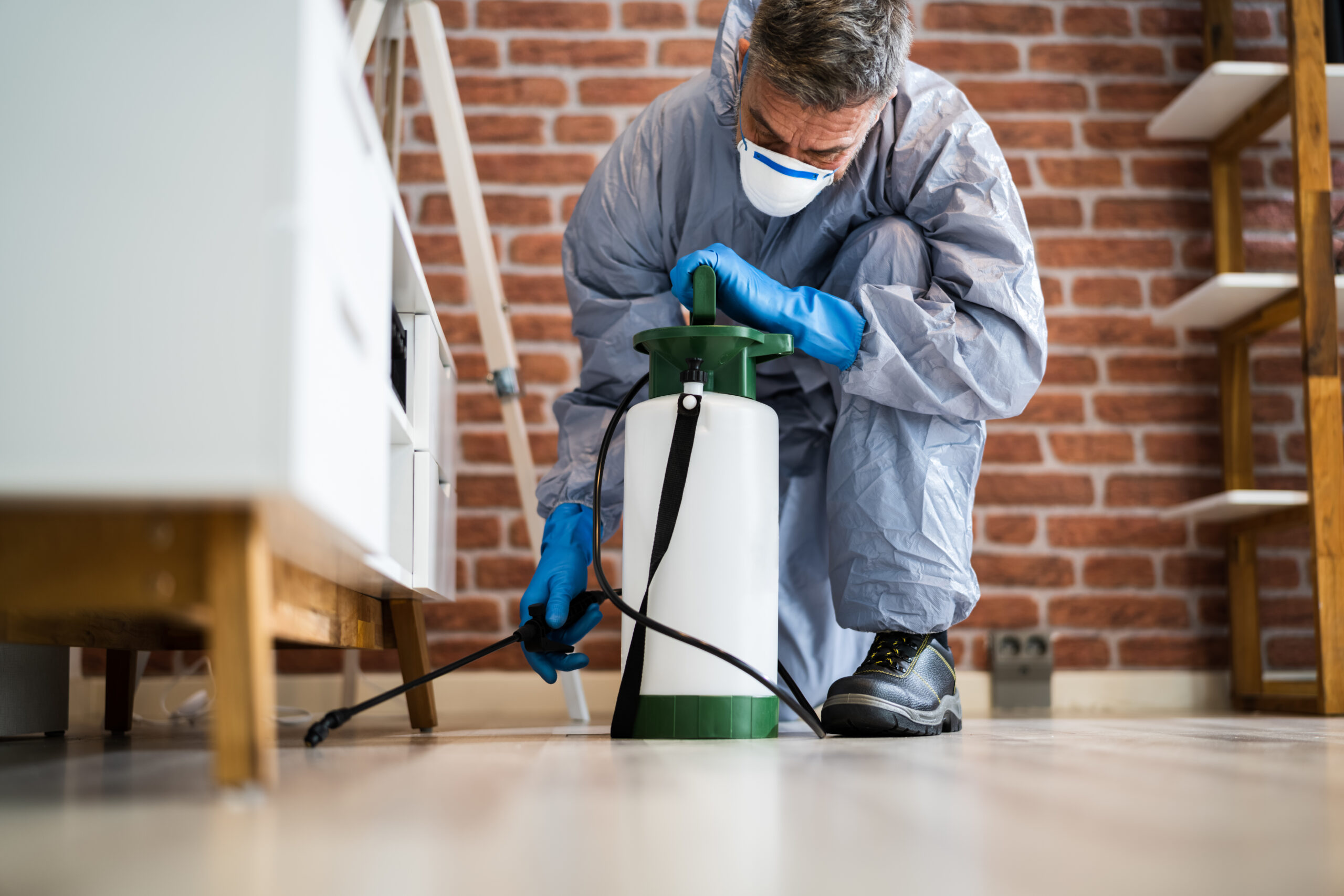
Safety is our top priority. We practice safe pest management by applying products in a targeted manner. We focus on cracks, crevices, and areas inaccessible to children and pets. For exterior sprays, we ask that you keep children and pets inside until the treated surfaces are dry. Once dry, the products bind to the surface and are safe for normal activity. We always follow the label instructions, which are federal law.
Do you offer “green” or organic pest control options?
Yes, we offer options that utilize botanical-based products and reduced-risk protocols. However, the core of “green” pest control is Integrated Pest Management—using inspection, exclusion, and sanitation to solve problems with minimal chemical intervention. We can discuss specific eco-friendly strategies for your home during our initial assessment.
What happens if it rains after you treat my yard?
Most modern pest control products are designed to be water-resistant once they bond to the soil or vegetation. In fact, for granular baits used in fire ant control or cricket treatments, a little rain actually helps activate the product and wash it into the soil where the pests live. If you are concerned about wash-out after a heavy tropical storm, please reach out to us for assistance.

Service Area and Scheduling FAQs
What areas do you serve?
We are proud to serve South Brevard County, specifically focusing on:
- Palm Bay
- Grant-Valkaria
- Malabar
- Micco
- Barefoot Bay
- West Melbourne
- Lockmar
We understand the difference between the rural, wooded lots in Grant and the suburban neighborhoods of Palm Bay, and we tailor our treatments accordingly.
What zip codes do you cover?
Our primary service zip codes include: 32905, 32907, 32908, 32909, 32949, 32950, and 32976.
Do you offer same-day service?
We understand that pest issues can be urgent. While we schedule by appointment to ensure every customer gets our full attention, we prioritize emergency situations such as bed bugs or severe rodent intrusions. Contact us today, and we will do our best to get a technician to your home as soon as possible.
How often should I have pest control service?
For most homes in Florida, we recommend a bi-monthly or quarterly service plan. Because our climate allows pests to breed year-round, consistent maintenance is key to long-term pest control. A quarterly service allows us to maintain the exterior protective barrier and inspect for new issues before they become infestations.
Conclusion
We hope this page has answered your questions about pest control in Palm Bay. At Pest Control Xperts, we are committed to transparency, safety, and results. Whether you are dealing with a sudden invasion of ants or looking for preventative termite protection, our team is ready to help. Do not let pests disrupt your life.
Contact us today